
Why It Happens
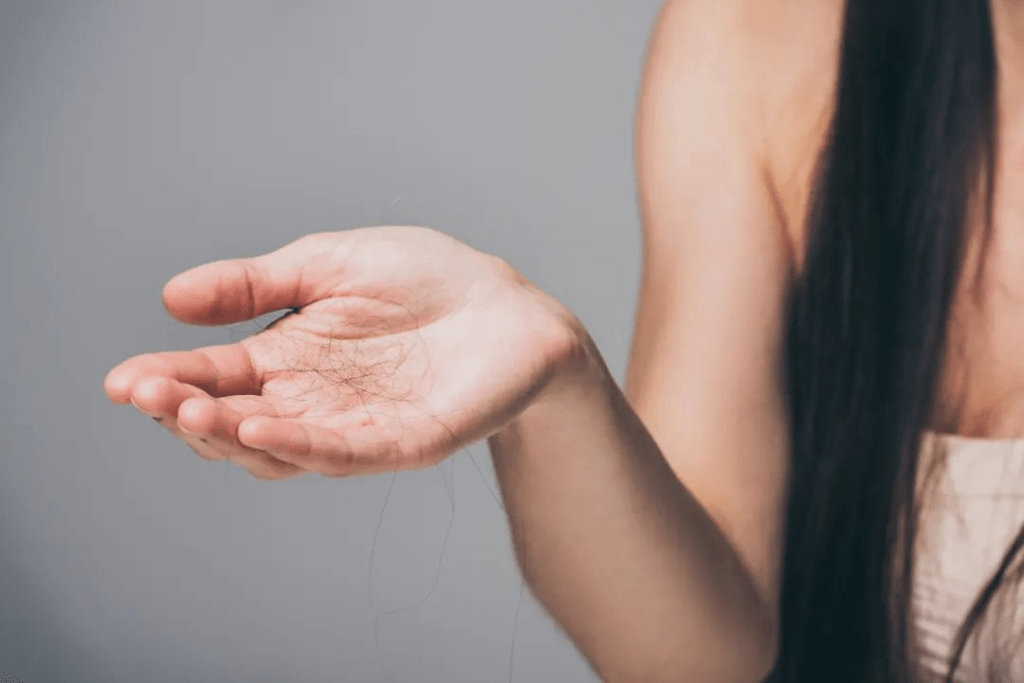
Postpartum hair loss is caused by hormonal changes that occur after pregnancy. During pregnancy, a woman’s body produces higher levels of estrogen, which causes the hair to remain in the growth phase for longer periods of time. As a result, hair does not shed as much as it normally would. After pregnancy, when estrogen levels drop back to normal, a large amount of hair that would normally have shed during pregnancy is shed all at once, leading to increased hair loss. This is known as telogen effluvium and it’s a normal and temporary hair loss that occurs after pregnancy.

When It Will Happen
Postpartum hair loss typically occurs 2-4 months after giving birth. It is a normal physiological response to the hormonal changes that occur during pregnancy and childbirth. The hair loss is usually temporary and the hair should regrow within 6-12 months. However, it is always best to consult with a healthcare professional to rule out any underlying medical conditions that may be contributing to the hair loss.
How Long Does It Last
Postpartum hair loss usually lasts for 6-12 months. This is because during pregnancy, the normal hair growth cycle is disrupted, causing more hair to stay in the growth (anagen) phase and less hair to fall out in the shedding (telogen) phase. After giving birth, the hormonal changes that occur cause the hair to shift back to its normal growth cycle, resulting in increased shedding. This shedding may last for several months and the hair should regrow within 6-12 months, however, this time frame can vary from person to person. It’s always best to consult with a healthcare professional if you have any concerns about your hair loss.

Prevention and Treatment
There is no surefire way to prevent postpartum hair loss, as it is a normal physiological response to the hormonal changes that occur during pregnancy and childbirth. However, there are some things that may help to minimize the amount of hair loss or promote hair regrowth:
- Eating a healthy diet that is rich in protein, iron, and other essential nutrients may help to promote hair growth.
- Reducing stress through exercise, meditation, or other relaxation techniques may help to prevent hair loss.
- Taking a prenatal vitamin before, during and after pregnancy can help to maintain hair health
- Avoiding tight hairstyles, excessive heat styling, and chemical treatments, which can damage the hair and lead to hair loss.
- Consulting a healthcare professional such as a dermatologist or a trichologist may help in identifying underlying conditions that may be contributing to hair loss and provide appropriate treatment.
Usually the best course of action is often simply to wait for the hair to regrow on its own.
Will It Happen To Me
Postpartum hair loss can affect anyone who has been pregnant, as it is a normal physiological response to the hormonal changes that occur during pregnancy and childbirth. However, some people may experience more or less hair loss than others. Factors that may influence the amount of hair loss include the individual’s hair growth cycle, overall health, and the severity of hormonal fluctuations during pregnancy. Some people may experience a noticeable amount of hair loss, while others may not notice much difference at all.
Hormones
Postpartum hair loss is related to hormones. During pregnancy, the hormone estrogen increases, which causes the hair to stay in the growth (anagen) phase for a longer period of time, resulting in thicker and fuller hair. After giving birth, the levels of estrogen decrease, which causes the hair to shift back to its normal growth cycle, resulting in increased shedding or postpartum hair loss. Other hormones such as progesterone, follicle-stimulating hormone (FSH) and luteinizing hormone (LH) also play a role in the hair growth cycle, and any fluctuations in these hormones can affect hair growth and loss.
Some women may have underlying hormonal imbalances that can contribute to hair loss, such as thyroid disorders. These conditions can be diagnosed by a healthcare professional and treated accordingly.
How has postpartum hair loss affected you? Have you found something to help with your postpartum shedding? Let us know what’s working for you in the comments.
 Birth with B