
Preeclampsia is a medical condition that affects some women during pregnancy, characterized by high blood pressure and damage to other organs, such as the liver and kidneys. This condition typically occurs after 20 weeks of pregnancy and can have serious consequences for both the mother and the baby if not properly managed.
The exact cause of preeclampsia is unknown, but it is thought to be related to problems with the blood vessels in the placenta. Some of the risk factors for developing preeclampsia include a history of high blood pressure, diabetes, kidney disease, and carrying multiple fetuses.
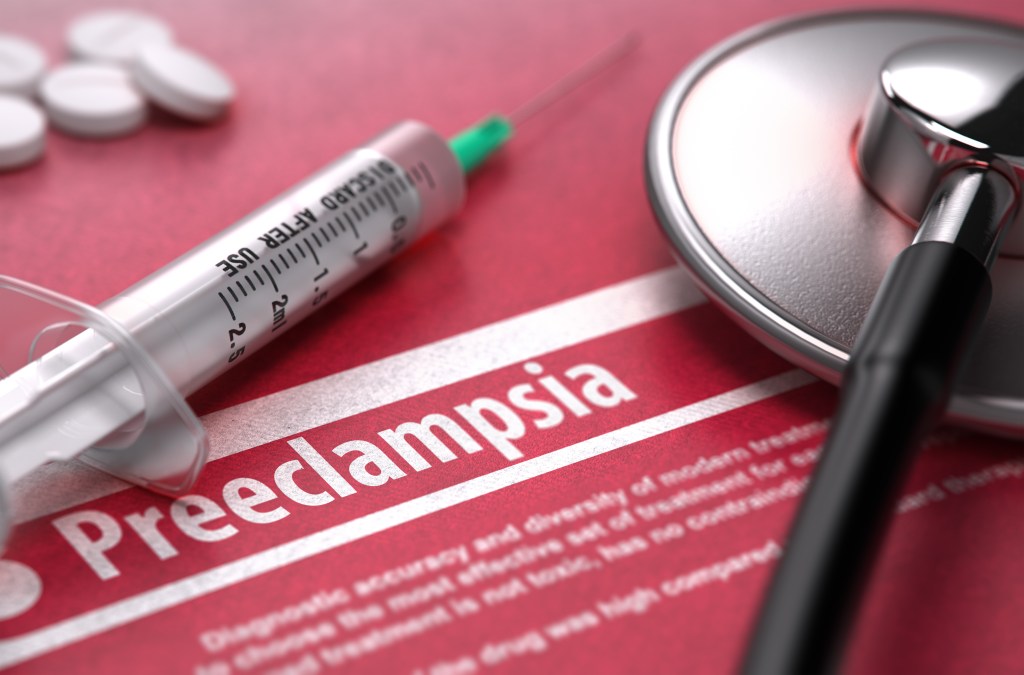
The symptoms of preeclampsia include high blood pressure, severe headaches, changes in vision, abdominal pain, and swelling in the face and hands. In severe cases, the condition can lead to serious complications, such as premature birth, low birth weight, and even stillbirth.

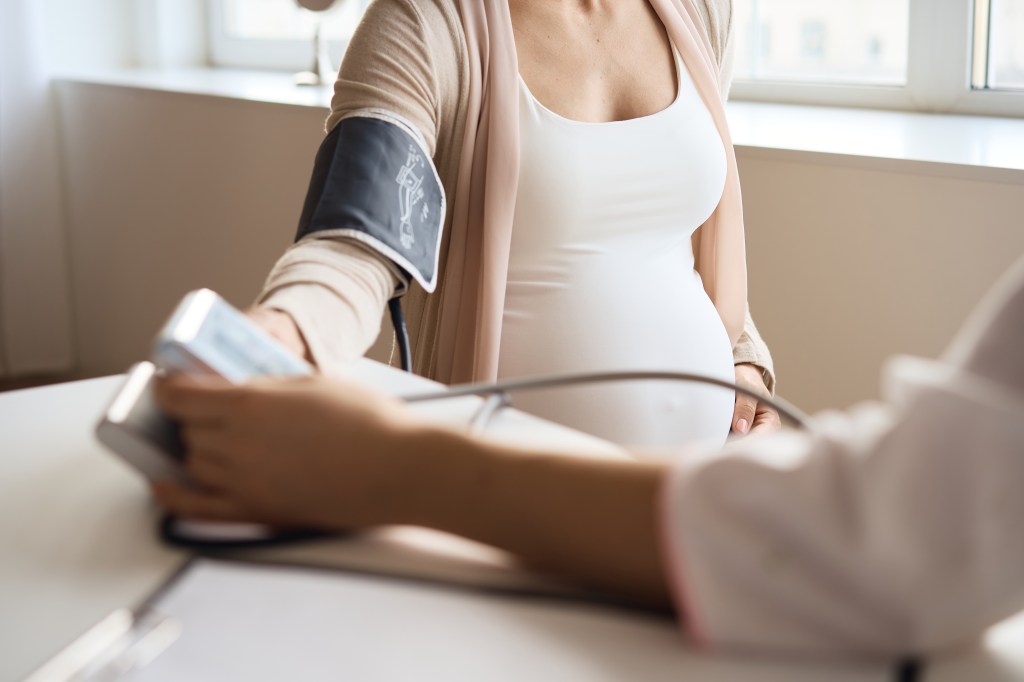
To diagnose preeclampsia, healthcare providers will monitor the mother’s blood pressure and check for protein in the urine. If the condition is suspected, further testing may be done to check for organ damage.
Treatment for preeclampsia may involve close monitoring, bed rest, and medication to lower blood pressure. In some cases, early delivery may be necessary to protect the health of the mother and baby.
It’s important for women who are pregnant or planning to become pregnant to discuss their medical history and any concerns they may have with their healthcare provider. Early detection and proper management of preeclampsia can help ensure the health and well-being of both the mother and baby.
 Birth with B